
Case Studies
Relevant precedents for building a modern food retail platform.
Brazil, Morocco and Russia show that large food retail and wholesale platforms can be built over time when the model is local, disciplined and responsive to customer needs. Ethiopia's scale, youth and growth make the opportunity larger, but the build must be phased and Ethiopian in execution.
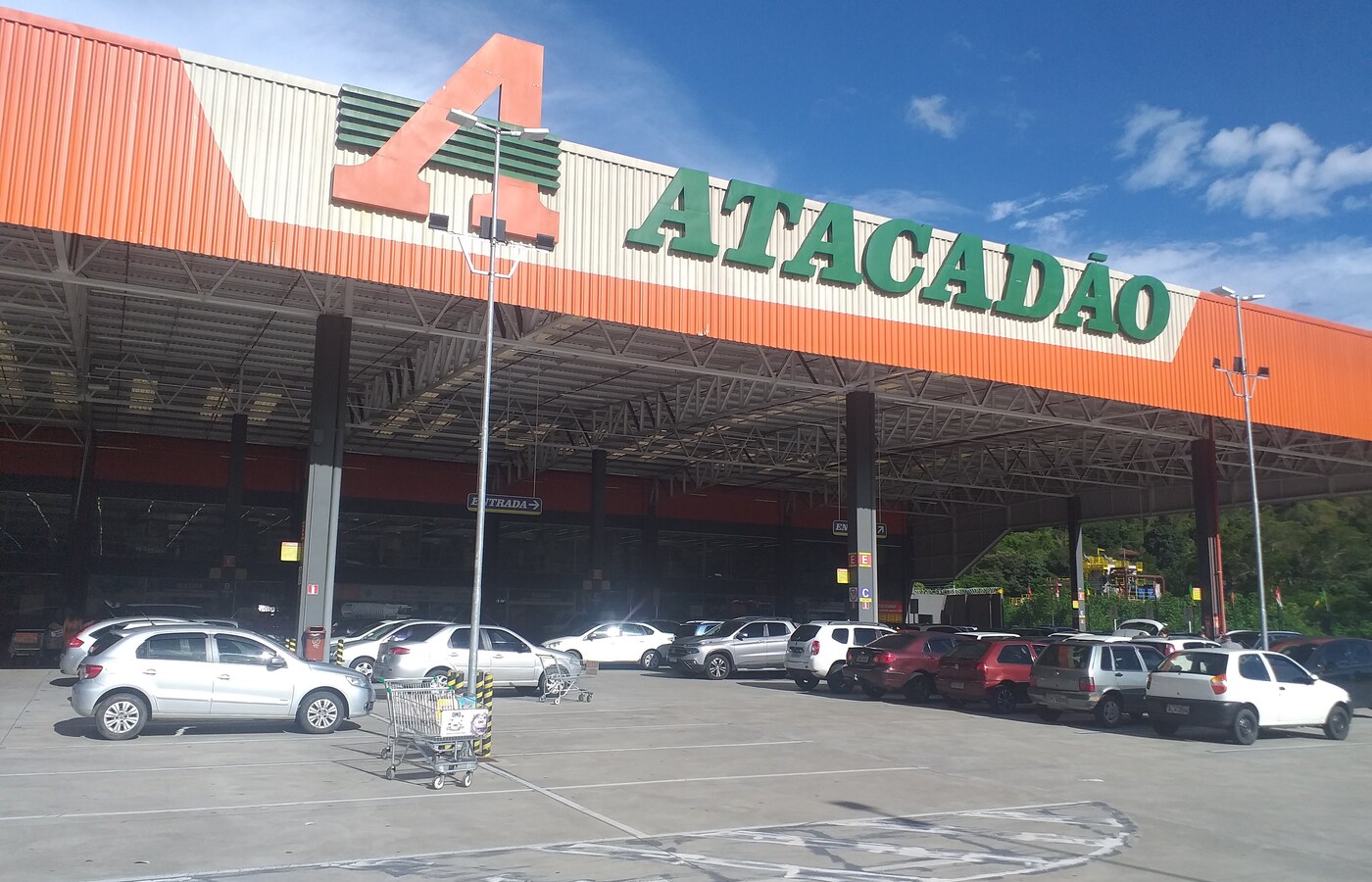
Atacadão / LabelVie
Creating the Brazilian and Moroccan cash-and-carry model.
Atacadão demonstrates how a wholesale-led, warehouse-style food model can serve small retailers and end customers at scale. In Morocco, LabelVie adapted the format through Atacadão stores after acquiring Metro Cash & Carry Morocco.
Atacadão
Carrefour
LabelVie
Metro
- 1962 Atacadão founded as a wholesale goods reseller.
- 1984 First hybrid cash-and-carry bulk self-service store launched.
- 2007 Carrefour acquires Atacadão, preserving operational focus.
- 2010 LabelVie acquires Metro Morocco and later converts stores to Atacadão.
- 2025 Atacadão is a major Brazilian format; LabelVie operates 23 Atacadão stores in Morocco.

X5 Group
Building a leading multi-format food retailer.
X5 Group illustrates how supermarket, proximity, discount, digital and logistics capabilities can be built into a large food-retail platform through disciplined format management and operational decentralisation.
Perekrestok
Pyaterochka
Karusel
Chizhik
- 1994 Perekrestok founded as an early modern supermarket chain.
- 1999 Pyaterochka founded as a proximity food discount chain.
- 2006 X5 created through the merger of Perekrestok and Pyaterochka.
- 2013-2020 Decentralised formats, rapid store growth and new discount formats developed.
- 2025 X5 operates around 30,000 stores and generates more than US$50 billion in revenue.
Case-study images: Wikimedia Commons. Brand references are used for factual context only.